Description
How is the Middle East and Africa hydrogen projects market evolving?
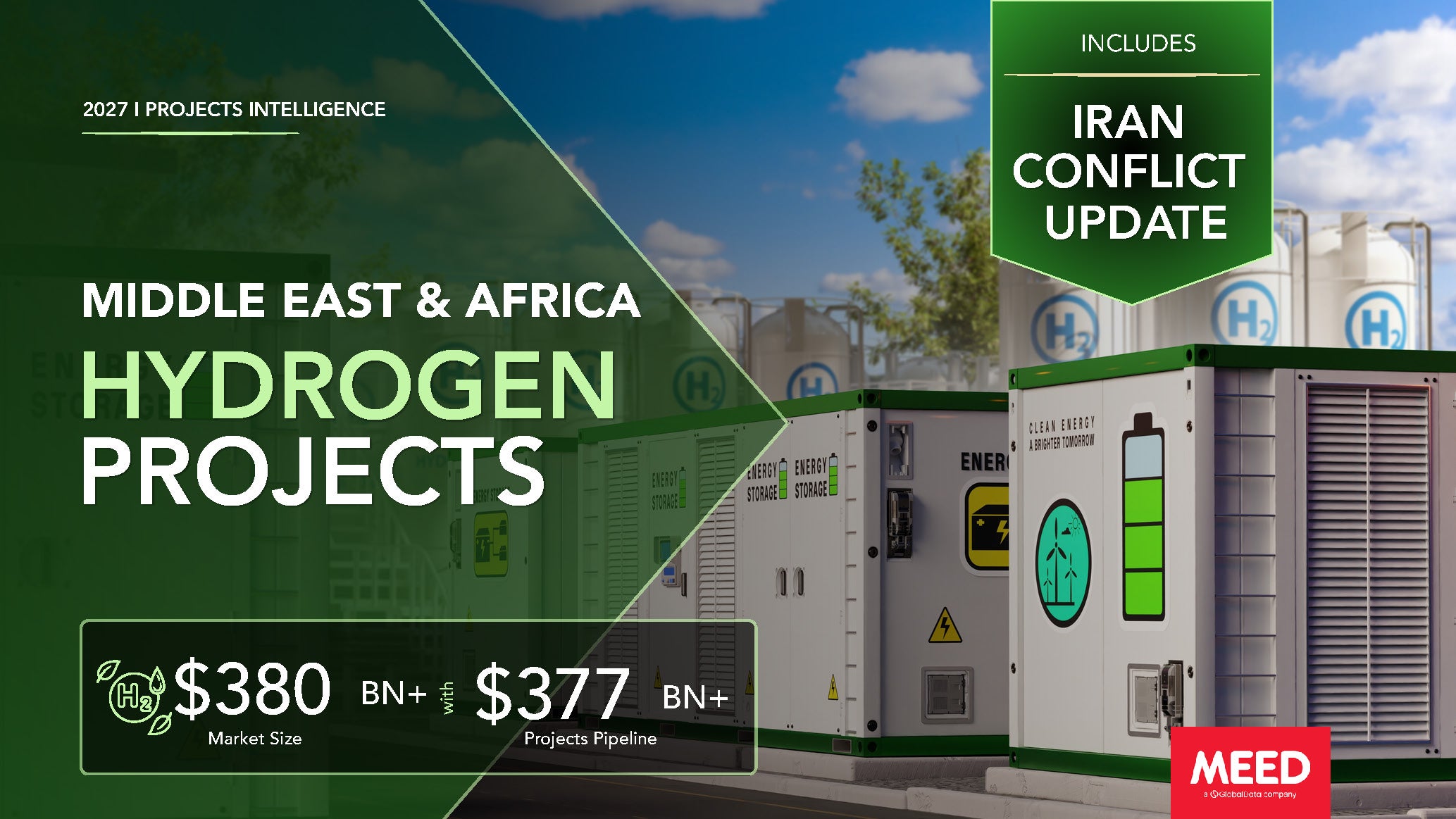
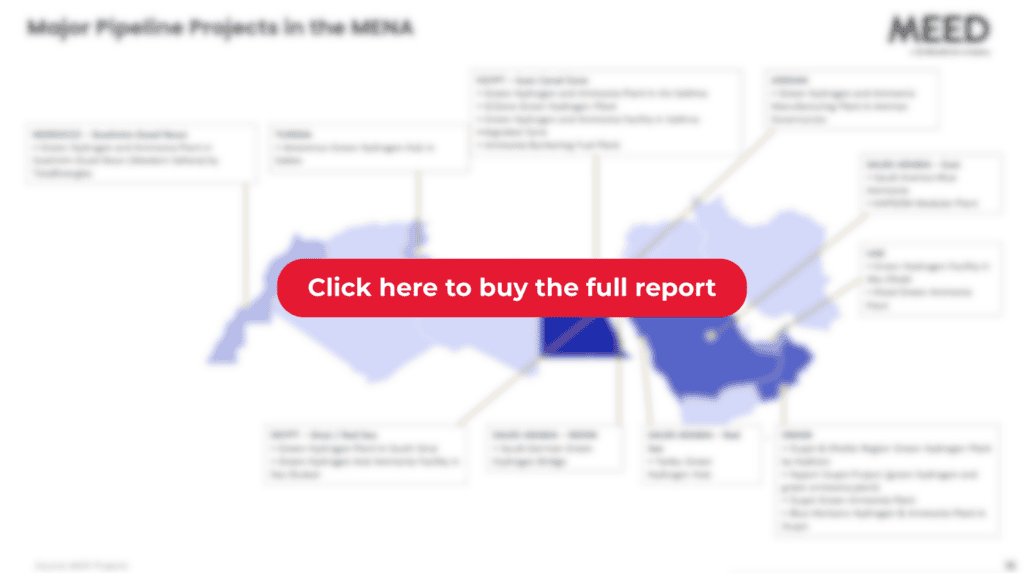
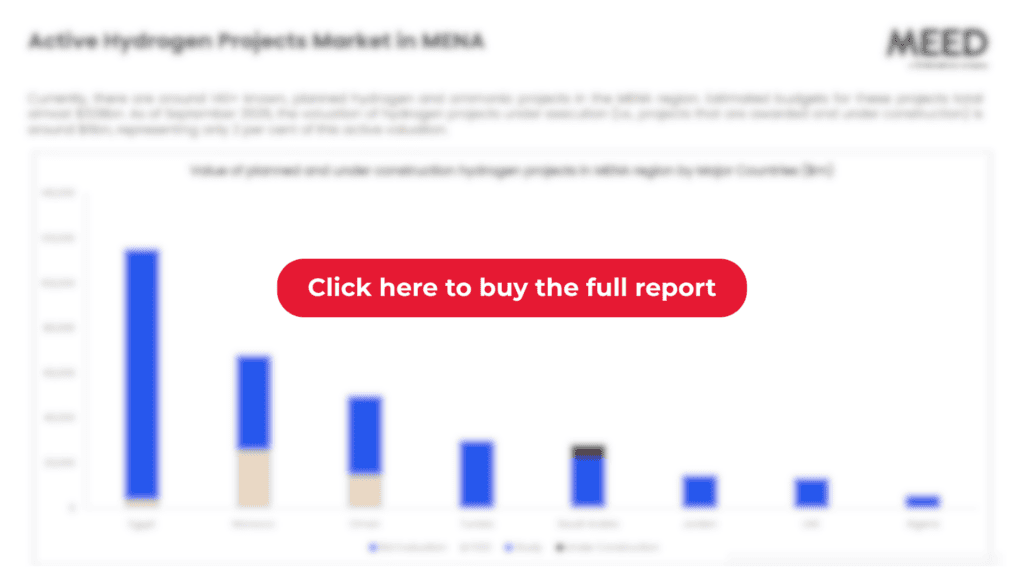
Currently, there are around 140+ known and planned hydrogen and ammonia projects in the MENA region. Estimated budgets for these projects total almost $328 billion. Hydrogen development across the Middle East and Africa is entering a more delivery-focused phase. After several years of project announcements, attention is shifting towards which developments can secure the commercial arrangements, financing and technical requirements needed to progress.
The region’s governments are incorporating hydrogen into economic diversification, industrial development and export strategies. Saudi Arabia, the UAE, Oman and Egypt are pursuing different approaches to hydrogen and ammonia development. Morocco, Namibia, Mauritania and South Africa are also represented in the regional project landscape.
However, a large project pipeline does not automatically translate into contracts or operational capacity. Developers must address several interconnected challenges such as:
- Offtake and market demand: Securing long-term offtake agreements on commercially acceptable terms remains an important consideration for project development.
- Financing and investment: Projects must navigate capital requirements, financing structures, and the conditions needed to reach final investment decisions.
- Regulation and certification: Evolving regulatory frameworks and certification requirements influence project development and export pathways.
- Infrastructure and integration: Land allocation, water supply, renewable power integration and export infrastructure affect project planning and delivery.
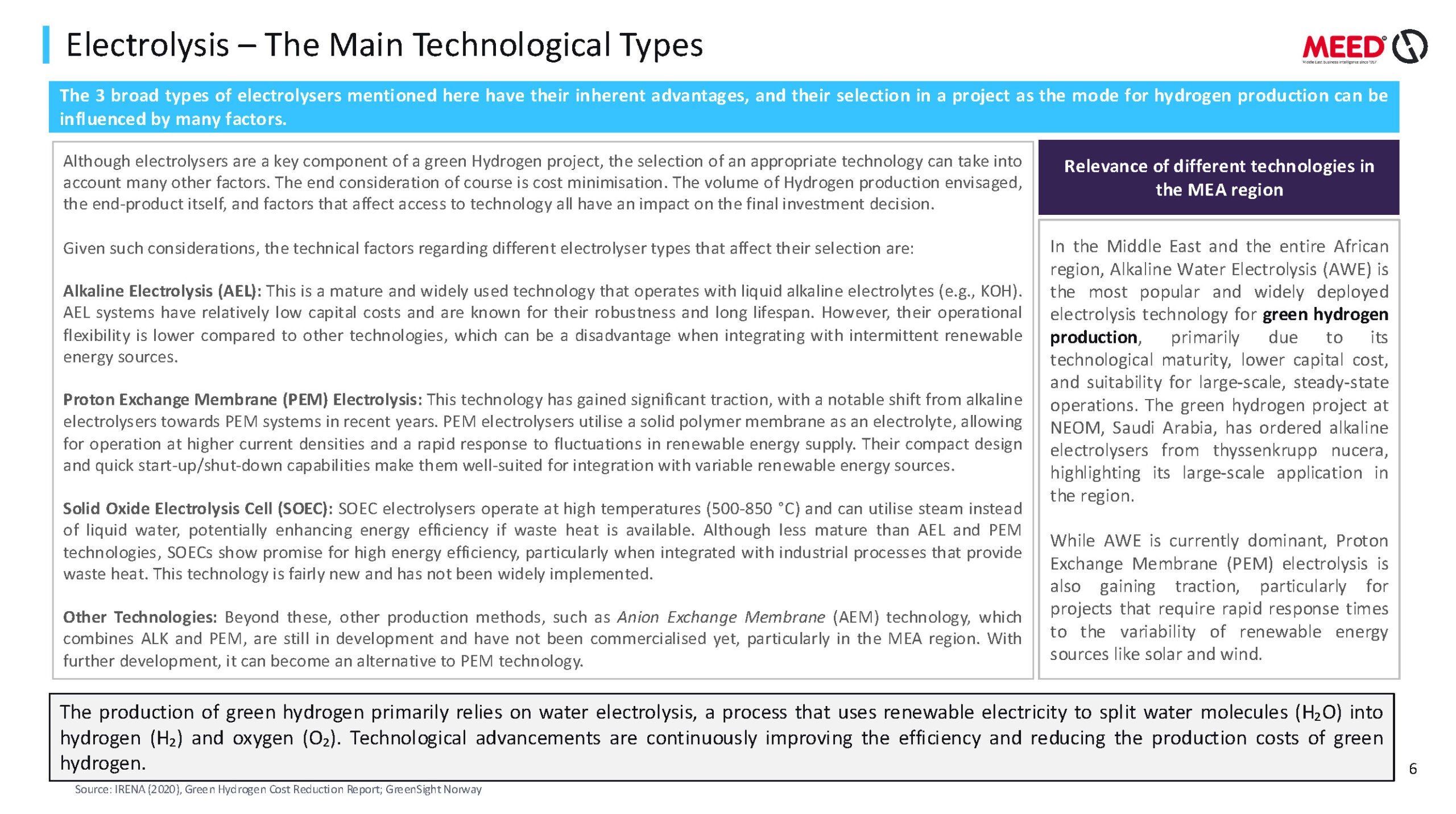
- Technology and supply chains: Scaling electrolyser technology and securing experienced EPC contractors and specialist subcontractors create additional delivery considerations.
These factors make project status and commercial readiness important considerations when evaluating market opportunities. Hence, businesses need to distinguish between announced developments, projects progressing through development, and schemes moving towards construction or procurement.
What are the upcoming opportunities in the hydrogen projects market?
Projects in construction, commissioning and procurement are already creating demand for contractors, suppliers and advisers. Future opportunities in MEA hydrogen projects will come from:
- Green hydrogen-to-ammonia projects at gigawatt scale, including EPC and balance-of-plant packages.
- Electrolyser supply and local manufacturing of renewable energy components.
- Wind, solar, hybrid power and storage supporting hydrogen production.
- Ports, shipping, ammonia bunkering and export terminals serving Europe and Asia.
- Hydrogen demand from steel, chemicals, cement, refining and heavy transport.
- Financing, legal and advisory work across PPP structures and joint ventures.
What does the report cover?
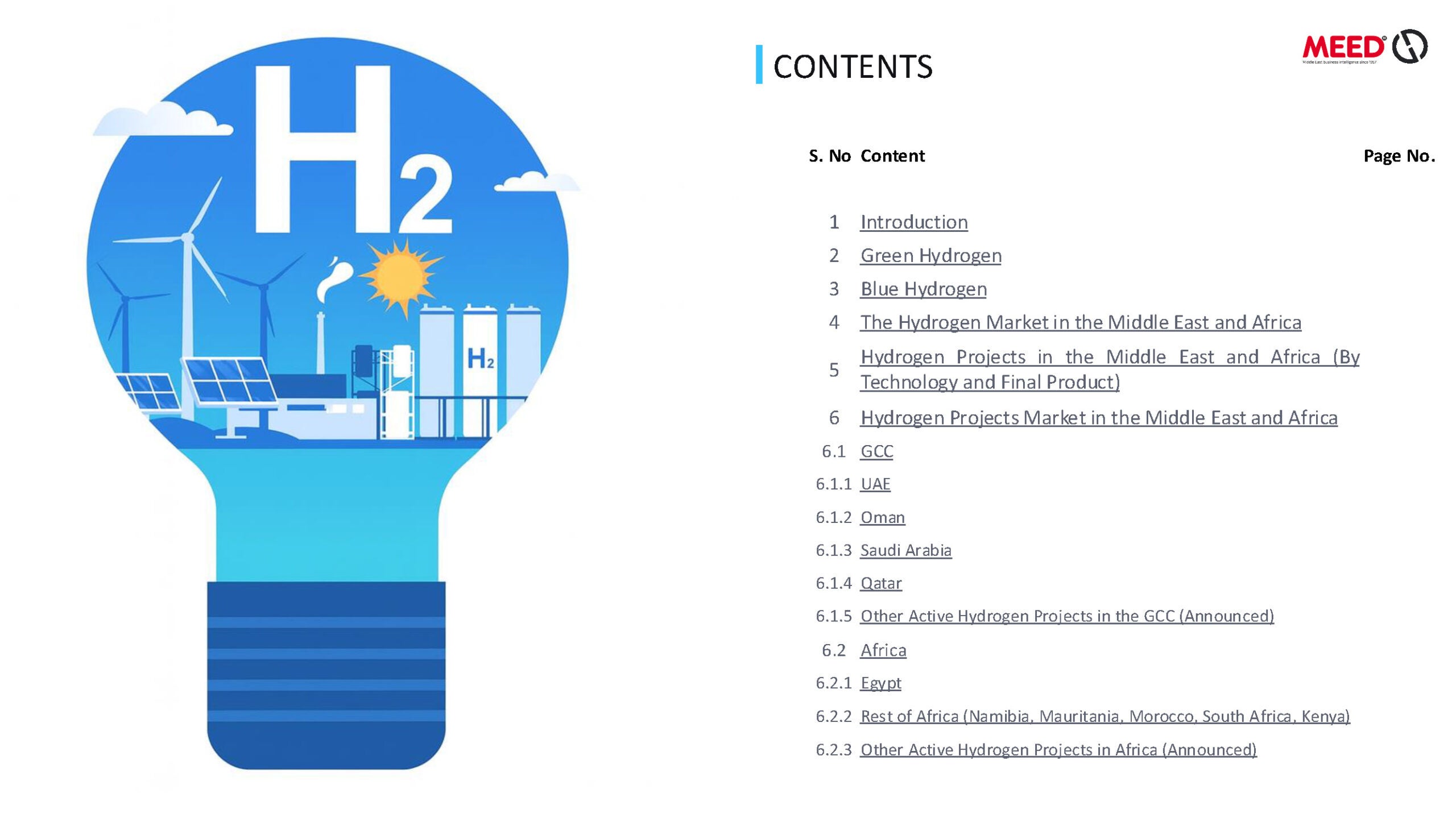
The report combines regional analysis with detailed project profiles to support a more structured understanding of the hydrogen and ammonia market.
Green, blue and low-carbon hydrogen projects
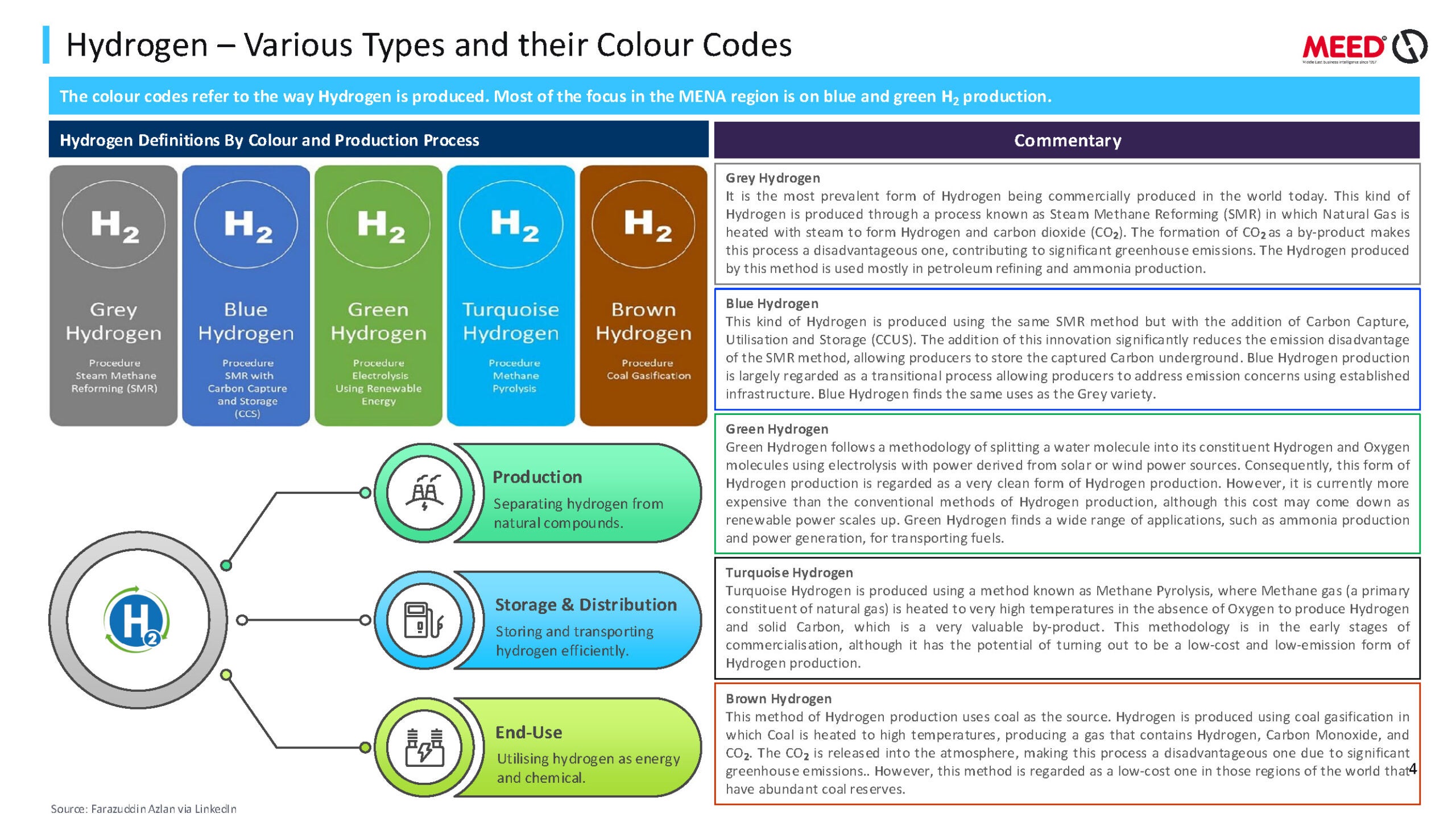
Explore project developments across green hydrogen, blue hydrogen, low-carbon hydrogen and ammonia, alongside e-fuels and other derivatives. Project profiles cover capacity, location, stakeholders, key personnel, timelines and phasing, helping readers understand individual developments within the wider regional pipeline.
Major projects across the Middle East and Africa
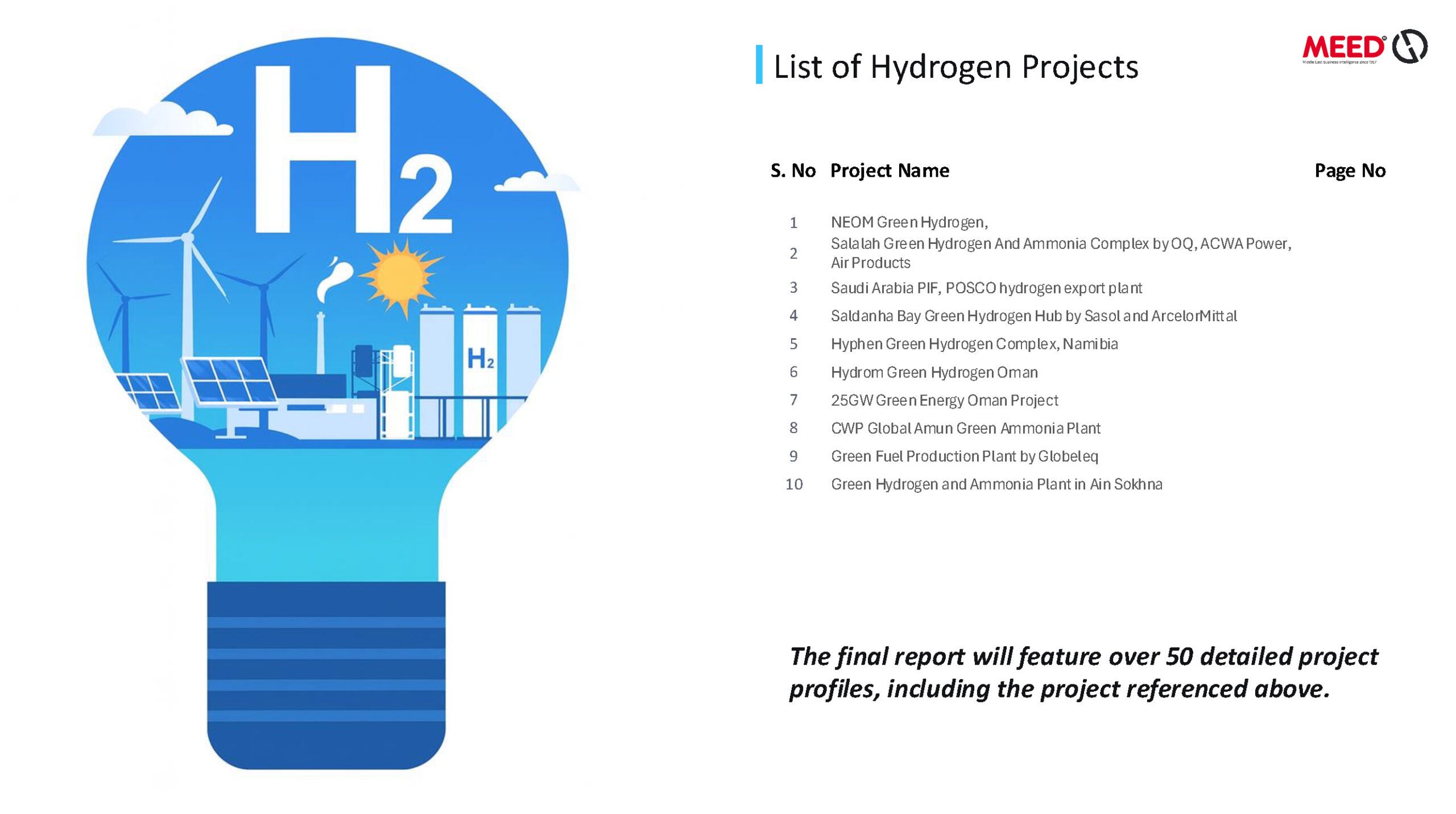
Coverage includes flagship developments and project programmes such as:
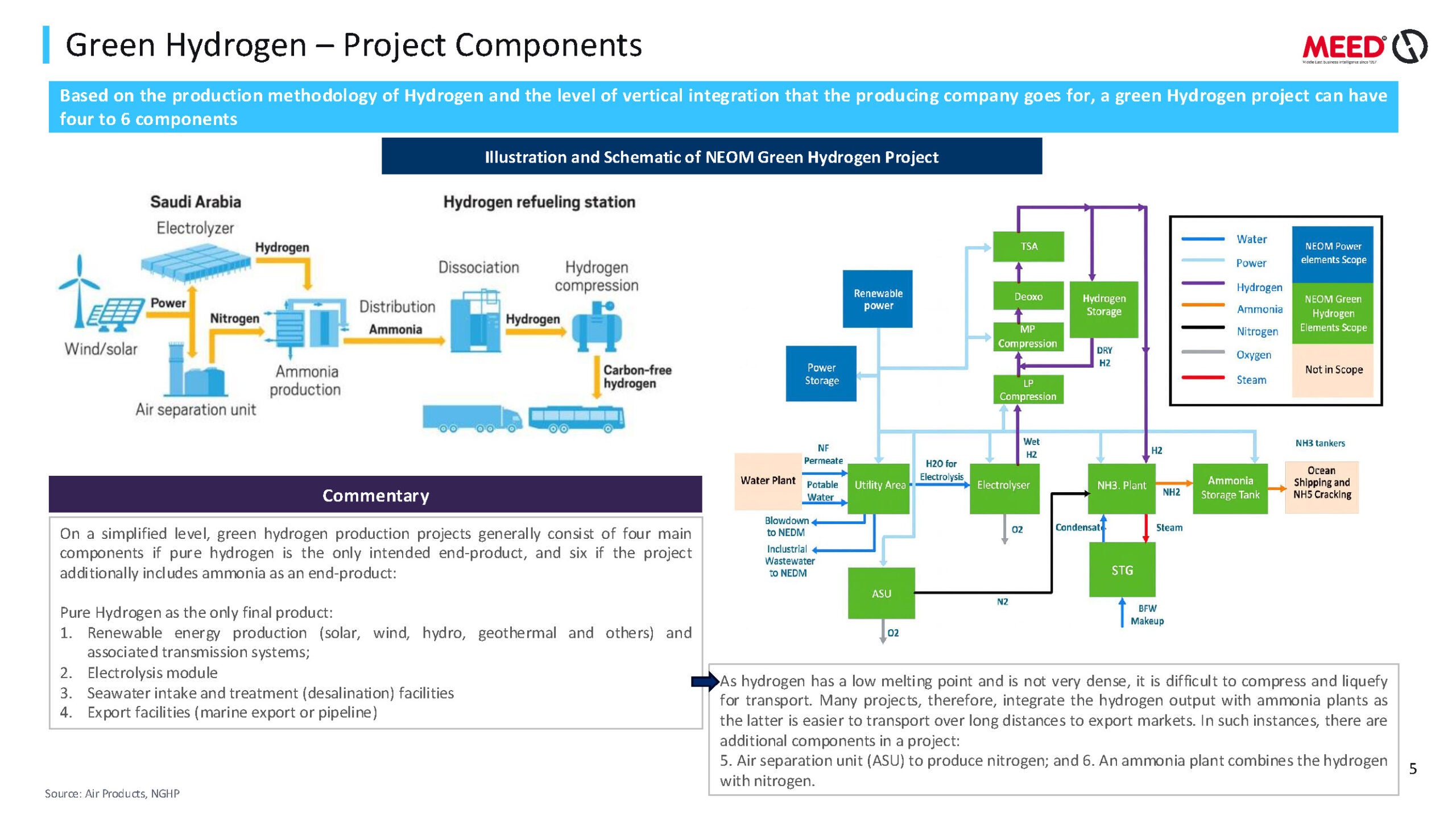
- NEOM Green Hydrogen, Saudi Arabia
- Salalah Green Hydrogen and Ammonia Complex, Oman
- Hydrom green hydrogen blocks, Oman
- TAQA and AD Ports green ammonia complex, UAE
- Hyphen green hydrogen complex, Namibia
- CWP Global Aman green hydrogen complex, Mauritania
- Green hydrogen and ammonia schemes in Egypt’s Suez Canal Economic Zone
These projects illustrate the range of developments covered across the region. The report also examines country-level strategies, project pipelines and the commercial frameworks shaping hydrogen investment.
National strategies, policy and investment frameworks
Understand how national hydrogen strategies, regulatory frameworks, incentives, industrial policies and land allocation arrangements influence project development. The report covers relevant market developments across Saudi Arabia, the UAE, Oman, Egypt, Morocco, Namibia, South Africa and Mauritania.
Stakeholders, contracts and procurement opportunities
Identify developers, offtakers, EPC contractors, technology providers, financiers, utilities and other organisations involved in hydrogen projects. Project-level coverage includes awarded contracts, identified future packages and available information on budgets, timelines and procurement activity.
Where known, the report identifies key procurement contacts at the client and provides guidance on supplier registration and prequalification.
Renewable energy, export infrastructure and hydrogen applications
Examine the relationship between hydrogen production and its supporting infrastructure, including wind, solar, hybrid power systems and storage. The report considers hydrogen applications in industry, chemicals, power and mobility, alongside supply-chain development and local manufacturing opportunities for electrolysers and renewable energy components.
Financing, partnerships and project risks
Assess financing approaches and commercial structures, including project finance, public-private partnerships and joint ventures. The analysis also addresses offtake requirements, cost pressures, regulatory gaps, technology scale-up and supply-chain challenges that can affect project progression.
Who should use the MEA hydrogen projects market report?
The report is intended for organisations whose investment, revenue or growth decisions depend on understanding hydrogen and ammonia developments across the Middle East and Africa, including:
- Hydrogen project developers and investors
- Energy ministries and government authorities
- Sovereign wealth funds and infrastructure funds
- EPC contractors and engineering consultants
- Renewable energy developers (solar, wind and hybrid systems)
- Financial institutions, banks and export credit agencies
- Industrial offtakers (steel, ammonia, chemicals and refineries)
- Technology providers (electrolysers, turbines, storage and control systems)
- Utilities and transmission companies
- PPP investors and project financiers
- Economists, analysts and consulting firms
- Research organisations and universities
Why use MEED for hydrogen projects market intelligence?
MEED combines regional energy, infrastructure and construction market expertise with proprietary MEED Projects data to connect market analysis with project-level intelligence.
The report’s approach brings together:
- Proprietary project intelligence: Project, stakeholder and contract information drawn from MEED Projects.
- Human-verified information: Project data reviewed to support informed commercial and investment decisions.
- Regional market analysis: National strategies, regulatory frameworks, investment priorities and market risks considered alongside project developments.
- Procurement and stakeholder visibility: Information on contractors, identified future packages, procurement activity and relevant client contacts where known.
- Commercially focused coverage: Analysis designed to help businesses evaluate projects, partnerships, investment opportunities and market-entry priorities.
The 2027 edition also updates project progression, national policy frameworks, export pathways, certification and offtake considerations, with wider coverage of African markets and local manufacturing developments.
For organisations making high-stakes investment and revenue decisions, this combination of regional analysis and project-level information provides a practical basis for evaluating where to focus their efforts.
All the MEED Insight reports are delivered via email in digital version.



Reviews
There are no reviews yet.